What Is a Cloud-Native Agent Army?
Most companies are still shopping for a chatbot.
That is the wrong category.
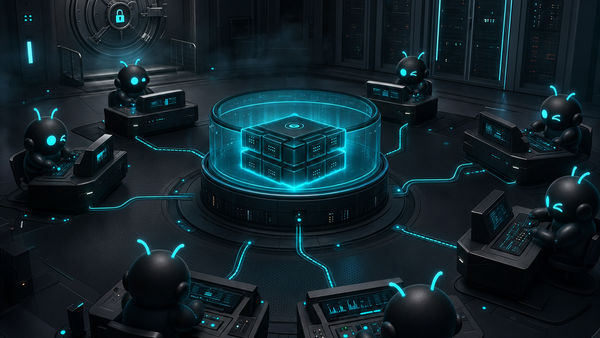
A chatbot waits for a prompt, answers inside a box, and forgets most of the messy operational reality around the work. A cloud-native agent army is different. It has a place to live, tools to use, a browser to operate, memory to build from, and boundaries that keep each agent from wandering into places it should not touch.
That is the ClawBud thesis in one sentence: your own cloud-native agent army.
Not a chatbot. Not a shared container. A full computer, a real army of agents, and a per-agent firewall, all yours, deployed in one click.
ClawBud runs OpenClaw on your own dedicated computer in the cloud, then gives you a dashboard for managing the agents that live there. Some agents are code agents and CLIs, like Claude Code, Codex, Gemini CLI, and OpenCode. Others are autonomous agents, like OpenClaw, Hermes, NemoClaw, Goose, DeerFlow, and Automaton. They are related, but they are not the same job.
A code agent helps you work on software. An autonomous agent can run ongoing work across tools, channels, memory, browsers, files, and workflows.
That difference matters.
A cloud-native agent army needs a real home
The first mistake people make with agents is treating them like API calls.
API calls are temporary. They receive input, return output, and disappear. Real agent work is not like that. If an agent is researching leads, watching a browser session, importing history, writing files, checking a calendar, or continuing a task tomorrow, it needs continuity.
That is why the computer matters.
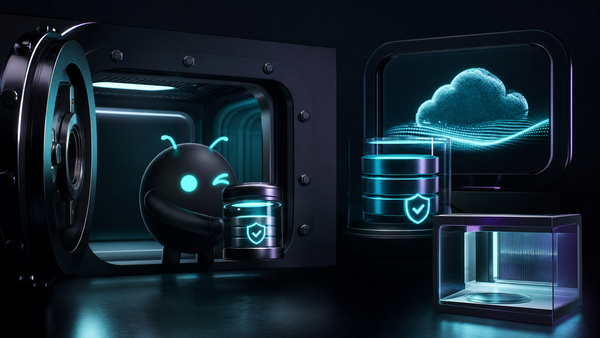
With ClawBud, each customer gets a dedicated cloud computer for OpenClaw and the agent stack. The practical point is simple: the agent army is not squeezed into a shared box with everyone else. It has its own compute, storage, browser environment, and operating room.
The result is cleaner separation, more predictable long-running work, a real browser that belongs to the agent environment, and room for files, memory, channels, and tools.
If you want a disposable assistant for quick answers, shared infrastructure can be fine. If you want an agent army that actually works for your business, give it a proper base.
OpenClaw is the runtime, ClawBud is the managed base
OpenClaw is the agent runtime at the heart of ClawBud. It is where the agent experience, tools, sessions, skills, memory, browser control, and channels come together.
ClawBud turns that into a managed product.
You do not need to open a terminal, choose a server, configure services, wire up a firewall, install browser dependencies, or babysit the runtime. You pick a plan, start setup, and get a working OpenClaw environment on your own cloud computer.
That is the one-click setup promise: a lot of boring operational work hidden behind a clean flow, exactly where that work belongs.
You can start from clawbud.ai, compare plans on ClawBud pricing, and use the dashboard once your agent computer is ready.
Code agents and autonomous agents are not the same thing
This part gets blurred too often.
A code agent or CLI is usually optimized for development work. Claude Code, Codex, Gemini CLI, and OpenCode are good examples. You ask them to inspect files, write code, explain an error, run a command, or help ship a software change.
They are powerful. They are also mostly workbench tools.
Autonomous agents are broader. OpenClaw can act across tools and sessions. Hermes can coordinate multi-agent work and messaging. Space Agent gives an agent its own browser surface. Other agents can handle research, workflows, execution, memory-backed tasks, or multi-step operations.
The clean split: code agents and CLIs are best for software work, while autonomous agents are best for ongoing operational work across tools, channels, browser, memory, and files. A serious setup needs both. Developers want code agents. Operators want autonomous agents. Founders want the work done without becoming sysadmins.
ClawBud sits in that middle layer.
The per-agent firewall is the boundary layer
Agents need permissions. They also need limits.
A human employee does not get every password, every system, and every permission on day one. The same should be true for autonomous agents. The more capable the agent, the more important the boundary.
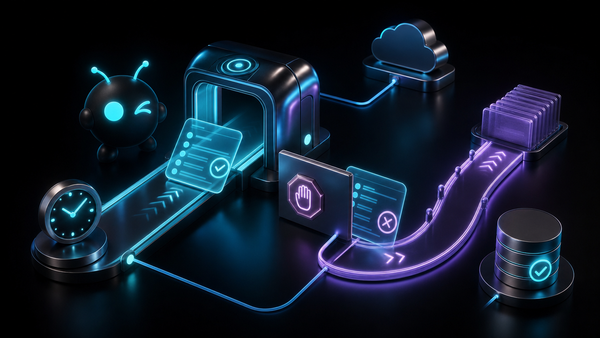
ClawBud makes the dedicated firewall part of the product story. Each OpenClaw agent can be protected with its own firewall boundary, so access is not treated like a vague trust exercise. Without boundaries, autonomy becomes anxiety. With boundaries, you can say: this agent can work here, talk there, use these tools, and stay out of that system.
Why the browser matters
A lot of real work still happens in websites.
Dashboards. CRMs. Gmail. Calendars. Admin panels. Docs. SaaS tools that do not have perfect APIs. If your agent cannot use a browser, it is locked out of a surprising amount of daily work.
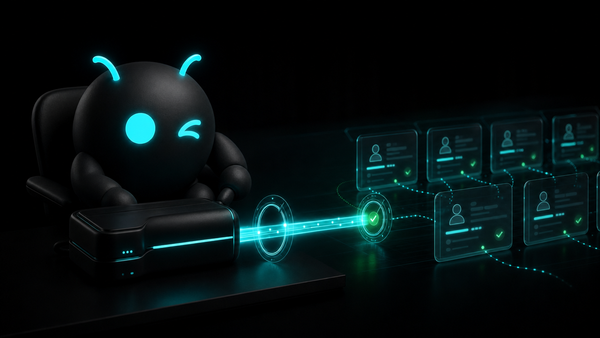
ClawBud gives the agent environment a dedicated browser. With Space Agent and the Watch Agent flow, the user can watch and control browser work in real time from the dashboard.
That turns the browser from a hidden risk into an observable work surface. You are not guessing what the agent is doing. You can see it.
Plans: BYOK, Starter, Pro, and Business
ClawBud pricing is built around how much you want ClawBud to manage and how much agent capacity you need. BYOK is for people who bring their own model keys. Starter includes the server, agent, AI usage, and Telegram. Pro adds more models, more credits, WhatsApp, Discord, the full Skills catalog, and Pro-level agents like NemoClaw, Goose, and DeerFlow. Business raises the compute profile, credit pool, channels, support level, and integration depth.
The important part is not just the price. You are not renting a prompt box. You are getting your own managed OpenClaw base for an agent army.
Who this is for
ClawBud makes the most sense when you want agents that can actually operate, not just chat.
Good fits include founders who want an always-on operations layer, agencies with repeatable workflows, technical teams that want OpenClaw without maintaining the whole stack, and organizations that care about boundaries, dedicated firewall rules, and ownership.
Bad fit? If all you need is occasional Q and A, a normal chatbot is cheaper and simpler. Use that. But if you want a real agent setup, the architecture matters more than the chat UI.
Bottom line
A cloud-native agent army is not a nicer chatbot label. It is a different operating model.
You give agents a full computer. You run OpenClaw as the runtime. You install code agents and autonomous agents side by side. You give them a browser, memory, channels, files, and wallet-ready paths where needed. Then you put a dedicated firewall around agent access so autonomy does not become chaos.
That is what ClawBud is building.
Your own cloud-native agent army, deployed in one click.
Start with ClawBud and give your OpenClaw agents a real place to work.
FAQs
What is a cloud-native agent army?
A cloud-native agent army is a group of AI-powered agents running on a dedicated cloud computer, with tools, memory, browser access, channels, and boundaries. In ClawBud, that army runs on OpenClaw.
Is ClawBud just a chatbot?
No. A chatbot answers messages. ClawBud gives you a managed OpenClaw environment with autonomous agents, code agents, a browser, memory, integrations, and a dedicated firewall.
Why does each customer need a dedicated computer?
Agents need continuity, storage, browser state, files, and predictable runtime behavior. A dedicated computer gives your OpenClaw setup a stable home instead of placing serious work inside a shared container.
What is the difference between code agents and autonomous agents?
Code agents and CLIs focus on software tasks like editing files, debugging, and running commands. Autonomous agents handle broader ongoing work across tools, browser sessions, memory, channels, and workflows.
Does ClawBud include OpenClaw?
Yes. OpenClaw is the runtime at the center of ClawBud. ClawBud manages the setup, hosting, dashboard, firewall boundaries, browser access, and agent stack around it.
Why does the dedicated firewall matter?
Autonomous agents need access limits. A dedicated firewall helps define what each agent can reach, which makes agent work safer, cleaner, and easier to supervise.