What Is a Cloud-Native Agent Army? The OpenClaw Guide for Real Work
Short answer: it is not another chatbot
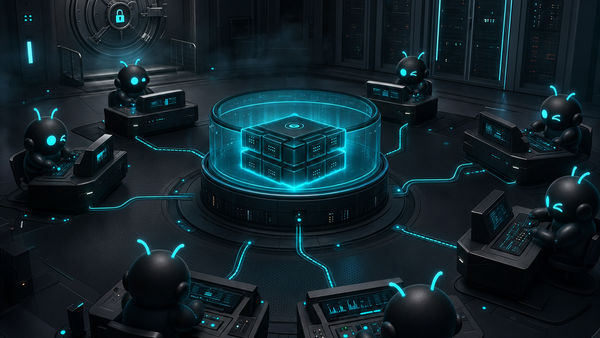
A cloud-native agent army is a group of autonomous agents that can work inside a real cloud environment, use tools, remember context, open a browser, run workflows, and stay inside clear security boundaries.
That sounds simple until you compare it with what most people call an AI agent today.
A chatbot waits for prompts. A code agent or CLI helps you write, debug, or inspect software. Useful, yes. But still narrow. A real autonomous agent can take a business goal, break it into steps, use tools, check results, report back, and keep working without turning every small move into a human conversation.
ClawBud is built around that shift. It gives you your own cloud-native agent army: OpenClaw, Hermes, Space Agent, code agents like Claude Code and Codex, skills, integrations, memory, browser access, and per-agent firewall boundaries on a private cloud computer that belongs to you.
Not a chatbot. Not a shared container. A full computer, a real army of agents, and a per-agent firewall, all yours, deployed in one click.
That is the difference.
What “cloud-native” means here
Cloud-native does not mean “hosted somewhere.” That would be a weak definition.
For agents, cloud-native means the work environment is built for always-on, tool-using, browser-capable, multi-agent work from day one.
A cloud-native agent army needs:
- A dedicated computer that can run agents, files, tools, browser sessions, and workflows.
- OpenClaw as a serious agent runtime, not a toy chat layer.
- Multiple agent types for different jobs.
- Real memory, so context can compound instead of resetting every morning.
- A browser, because half of business work still happens inside web apps.
- Integrations and skills that install fast.
- Security boundaries, including a dedicated firewall and per-agent controls.
- A command layer, so humans can direct the army without micromanaging every click.
Why a full computer beats a shared container
Shared containers are fine for demos. They are not where serious autonomous work should live.
An autonomous agent needs room to move. It may need to store files, open a browser, call tools, run code, use a terminal, talk to integrations, and coordinate with other agents. When all of that sits inside a cramped shared environment, you get the usual problems: fragile permissions, unclear boundaries, noisy neighbors, and limited control.
A private cloud computer changes the baseline.
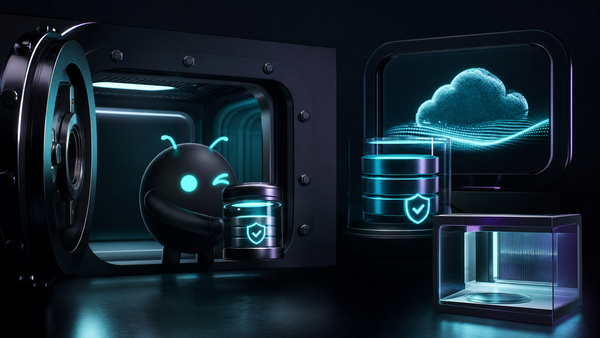
Your ClawBud agent army gets its own environment. Your OpenClaw agents are not living in the same generic pool as everyone else. Your workflows are not squeezed into someone else’s abstraction. Your business context, tools, memory, and agent activity sit inside a dedicated setup made for long-running work.
Code agents and autonomous agents are not the same thing
This is where a lot of AI products blur the truth.
Claude Code, Codex, Gemini CLI, and OpenCode are code agents or CLIs. They are excellent for software work: writing files, reviewing code, debugging, running commands, and helping builders move faster.
Autonomous agents are different. OpenClaw, Hermes, Space Agent, Automaton, Nemo Claw, and DeerFlow are meant for broader workflows: research, operations, browser tasks, orchestration, business processes, CRM work, follow-ups, and multi-step execution.
You need both.
A code CLI can help ship a feature. An autonomous agent can monitor a task, gather context, update a CRM, research a market, prepare an email draft, run a browser workflow, and hand the technical part to a code agent when needed.
That is the army model. Different agents, different roles, one private command center.
OpenClaw is the runtime, ClawBud is the operating layer
OpenClaw is one of the most important pieces in the stack. It gives the agent runtime, tools, skills, memory patterns, sessions, and the kind of extensibility that makes agent work practical.
But most teams do not want to spend their week installing, wiring, patching, and debugging the environment around OpenClaw.
ClawBud handles that layer.
With ClawBud, your OpenClaw setup is part of a managed Agentic OS. The army can include OpenClaw, Hermes, Claude Code, Codex, Space Agent, skills, integrations, CRM, Business Room, and browser access. The setup is designed to be ready in clicks, with one-click setup where the flow supports it.
The dedicated firewall is not decoration
Security boundaries sound boring until an agent has access to tools, files, browsers, credentials, APIs, and business systems.
Then boundaries become the product.
ClawBud’s dedicated firewall approach gives each customer a stronger separation model than a generic shared environment. The goal is simple: agents should have enough access to do useful work, but not unlimited freedom to wander across everything.
For agent armies, this is not optional. The more capable the agents become, the more important boundaries become.
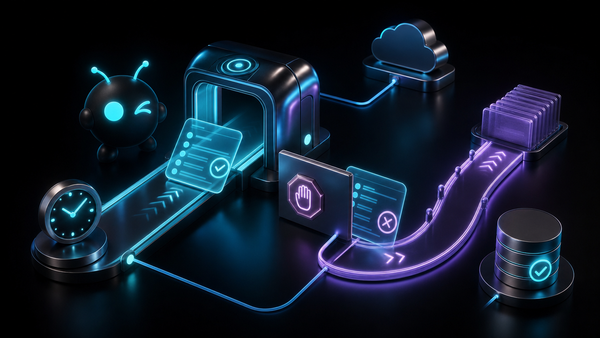
A per-agent firewall model also makes the system easier to reason about. You can think in roles. The research agent needs web access. The CRM agent needs business records. The code agent needs repository and terminal access. Not every agent should have every door open.
That is how agent work becomes operational instead of chaotic.
What an agent army can actually do
The best way to understand a cloud-native agent army is to stop thinking about chat windows.
Think in workstreams.
A founder might use one agent to research competitors, another to draft a launch post, another to check CRM tasks, and another to open a browser and verify product links. A developer might use Codex or Claude Code for implementation while OpenClaw coordinates notes, tests, docs, and follow-ups. A support team might use Hermes for channel work and OpenClaw for deeper customer investigation.
When should you use a cloud-native agent army?
Use it when the work has more than one step, more than one tool, or more than one agent role.
Good fits include:
- Founder and operator workflows.
- Research and market monitoring.
- CRM and follow-up work.
- Browser-based operations.
- Engineering tasks that need code agents and context agents together.
- Content, SEO, and launch operations.
- Internal business processes that repeat every week.
If all you need is one answer to one question, a chatbot is fine.
If you need work to move across tools, context, browser tabs, files, channels, and people, you want an agent army.
Start with ClawBud
ClawBud gives you your own cloud-native agent army on a private cloud computer, with OpenClaw, autonomous agents, code CLIs, real browser access, one-click setup, skills, integrations, memory, and dedicated firewall boundaries.
Start here: clawbud.ai
If you want the simple version, it is this: stop renting a chat window. Give your agents a real computer.
FAQs
What is a cloud-native agent army?
A cloud-native agent army is a group of autonomous agents running in a real cloud work environment, with tools, memory, browser access, integrations, and security boundaries. In ClawBud, that army includes OpenClaw and other agents on your own private cloud computer.
Is ClawBud just OpenClaw hosting?
No. OpenClaw is a core runtime inside ClawBud, but ClawBud is the full Agentic OS around it: agents, browser, skills, integrations, memory, Business Room, CRM, code CLIs, and dedicated firewall boundaries.
How are code agents different from autonomous agents?
Code agents and CLIs like Claude Code and Codex focus on software work. Autonomous agents like OpenClaw, Hermes, Space Agent, and Automaton can run broader workflows across tools, browser sessions, memory, and business processes.
Why does every customer need a full computer?
Because serious agent work needs files, browser access, tools, processes, memory, and isolation. A full dedicated computer gives your agent army a stable place to work instead of squeezing it into a shared container.
What is the dedicated firewall for?
The dedicated firewall helps create real boundaries around agent activity. As agents get more access to tools and business systems, boundaries become essential for control, safety, and trust.
Can I start without managing servers?
Yes. ClawBud is managed and designed for one-click setup where the product flow supports it. You get the agent army and private cloud computer without becoming a DevOps team.