Localized Agent Armies: Why OpenClaw Needs Skills-IL, RTL, and a Real Computer
Most AI products pretend language is a text setting. Flip the dashboard to Hebrew, translate a few labels, call it local.
That works for a chat window. It does not work for an agent army.
When an autonomous agent reads customer messages, opens browser tabs, writes files, uses tools, follows business rules, and hands work between agents, localization becomes infrastructure. The agent needs the right language, the right workspace, the right permissions, and a system that understands how real work moves.
That is why ClawBud treats Skills-IL, Hebrew RTL support, OpenClaw, Hermes, browser access, memory, and per-agent firewall boundaries as parts of the same story.
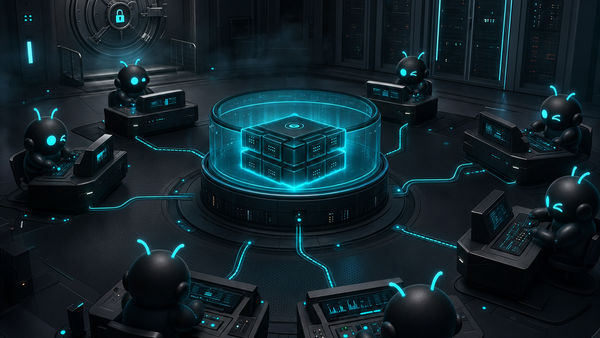
ClawBud is your own cloud-native agent army. Not a chatbot. Not a shared container. A full computer, a real army of agents, and a per-agent firewall, all yours, deployed in one click.
The mistake: treating localization as decoration
A localized product can look correct and still fail in practice.
For example, Hebrew support is not only about translating a button from “Send” to “שלח”. Real Hebrew work needs RTL layouts that do not break, readable dashboards, forms that make sense, support channels that feel native, and workflows that can handle Hebrew business context without turning every task into cleanup.
Now add agents.
An OpenClaw agent may need to read a Hebrew lead from WhatsApp, check a CRM record, draft a response, open a browser, search a local supplier, compare prices, create a task, and hand the next step to a specialist. If the workspace is half localized and half improvised, the agent burns time on friction before it gets to the actual work.
That is the quiet reason localization matters. It is not cosmetic. It changes whether autonomous work feels trustworthy.
What Skills-IL actually changes
Skills-IL is ClawBud's localized skill layer for Israeli users. The May rollout translated the full Skills-IL catalog into Hebrew and tightened the RTL dashboard experience around it.
That sounds small until you look at how agents use skills.
A skill is not just a help article. In an OpenClaw environment, skills are operating instructions, workflows, tool patterns, and business muscle memory. They tell the agent how to perform a class of work again and again without starting from zero.
For Hebrew users, that matters because the work itself is often Hebrew-first:
- sales follow-ups in Hebrew
- support replies in Hebrew
- Israeli business processes
- local phrasing and tone
- customer records with Hebrew names
- documents and notes written right-to-left
- tasks that move through WhatsApp, Telegram, email, CRM, and browser work
A translated skill catalog means the human can understand what the agent can do. A proper RTL dashboard means the human can manage that work without fighting the interface. Together, they make the agent army easier to command.
Code agents are not autonomous agents
This is where many teams get confused.
Claude Code, Codex, Gemini CLI, and OpenCode are powerful code agents and CLIs. They are excellent when the job lives inside a repository: inspect code, make changes, run tests, explain a bug, write a migration, refactor a component.
That is real value. But it is not the whole agent army.
An autonomous agent has a wider job. It may need to watch a channel, remember customer context, use a browser, manage files, call APIs, coordinate with another agent, wait for approval, follow a recurring routine, and act across a business workflow.
OpenClaw is the runtime that gives those agents a persistent operating environment. Hermes adds orchestration and multi-agent flow. Space Agent adds browser-centered work. The code CLIs still belong in the army, but they are specialist units, not the whole command center.
ClawBud brings both sides together. You can use code agents for engineering tasks and autonomous OpenClaw or Hermes agents for business operations, all running inside your own private cloud computer.
Why the full computer matters
Shared containers are fine for demos. They are not a serious home for agents that touch real work.
A full computer gives the agent army room to operate. It can keep files, browser state, memory, tools, skills, integrations, and agent processes in one persistent place. It can run OpenClaw, Hermes, Space Agent, code CLIs, CRM workflows, and future specialists without treating every task like a temporary session.
That persistence matters for localization too. Hebrew workflows are records, contacts, tasks, messages, documents, and routines that compound over time.
ClawBud's position is simple: if you want agents to work like a team, give them a real workplace.
That workplace should be private, managed, easy to start, and built with boundaries.
The dedicated firewall is not a nerd detail
Once an agent can browse, write files, call tools, connect to channels, and work with memory, permissions stop being a footnote.
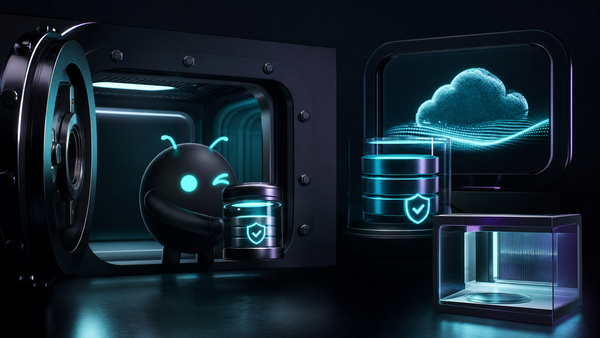
A per-agent firewall gives each agent a clearer boundary. It helps separate what one agent can reach from what another agent can reach. It makes the system feel less like a pile of clever scripts and more like an operating layer for actual business work.
This matters even more when the agent army includes different roles:
- an OpenClaw operations agent
- a Hermes orchestrator
- a code agent such as Codex or Claude Code
- a browser-focused Space Agent
- CRM or Business Room specialists
- future finance, support, marketing, or ops agents
Different agents should not all have the same reach. A support agent, a coding agent, and a workflow agent do not need identical boundaries.
ClawBud's dedicated firewall approach is part of the product, not an afterthought.
One-click setup is how this becomes usable
The hard part is not imagining an agent army. Everyone can imagine it now.
The hard part is making it usable without turning the customer into a DevOps team.
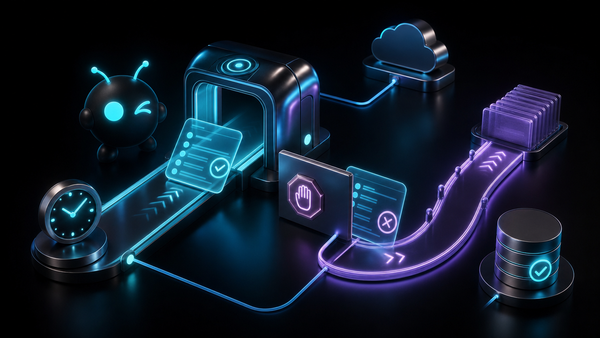
ClawBud handles that by packaging the environment as a managed Agentic OS. OpenClaw, Hermes, code agents, Skills-IL, browser access, memory, integrations, CRM, Business Room, and per-agent firewall boundaries become part of one private cloud command center.
You click. ClawBud deploys the computer. The agent army is there. You start commanding it.
That is the difference between buying a tool and getting an operating layer.
What this means for Israeli teams
For Israeli founders, operators, agencies, and technical teams, the combination is unusually practical.
You get the frontier agent stack without English-only product assumptions. You get OpenClaw without a raw setup job. You get code agents, but not as a replacement for autonomous agents. You get Hebrew and RTL support where it matters.
The result is a cloud-native agent army that works closer to the way the business actually works.
Start with the main ClawBud platform at clawbud.ai. If you are comparing plans, check ClawBud pricing. If you want the technical baseline first, read What Is OpenClaw? and What Is Hermes Agent?.
FAQs
Is ClawBud only for Hebrew users?
No. ClawBud is English-first for the global market, but Hebrew and RTL support make it stronger for Israeli teams that need local workflows, local language, and local customer operations.
Does Skills-IL replace OpenClaw skills?
No. Skills-IL is a localized skill layer. OpenClaw remains the runtime. Skills help agents perform repeatable work, while ClawBud makes the skill catalog easier to use and understand for Hebrew users.
Are code agents like Codex and Claude Code enough?
They are enough for many coding tasks. They are not enough for a full business agent army. Autonomous agents need browser access, memory, files, tools, channels, approvals, and orchestration across workflows.
Why does each customer need a private cloud computer?
Because persistent agents need a stable workplace. A private cloud computer gives your OpenClaw agent army its own files, browser, memory, tools, skills, and operating space instead of forcing serious work into a shared temporary setup.
What is the role of the dedicated firewall?
The dedicated firewall gives agents clearer boundaries. It helps separate roles, tools, and access patterns, which matters when agents can browse, write files, connect to channels, and act across real workflows.
How fast can a team start?
ClawBud is built around one-click setup. You choose the plan, connect what you need, and get a managed OpenClaw agent army on your own private cloud computer without handling server setup yourself.