OpenClaw and Hermes: Why an Agent Army Needs More Than a Code CLI
If you only judge AI tools by how well they write code, you will miss the bigger shift.
Code agents are useful. Codex, Claude Code, Gemini CLI, and OpenCode can inspect a repo, patch files, explain errors, and move software work faster. They are the sharp tools on the workbench.
But an autonomous agent army is not just a sharper code editor. It needs a place to live. It needs browser access, memory, channels, integrations, permissions, and boundaries. It needs to keep context between tasks. It needs to talk to people, watch systems, open pages, receive files, and work inside a real operating environment.
That is the difference ClawBud is built around.
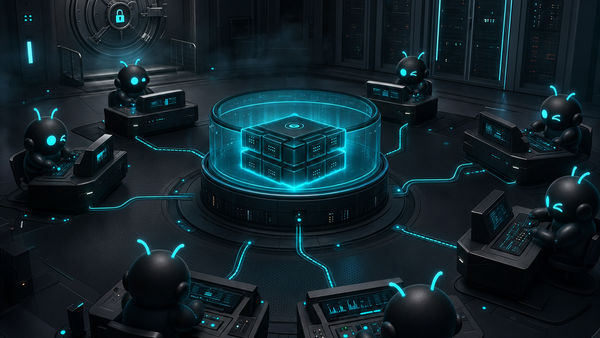
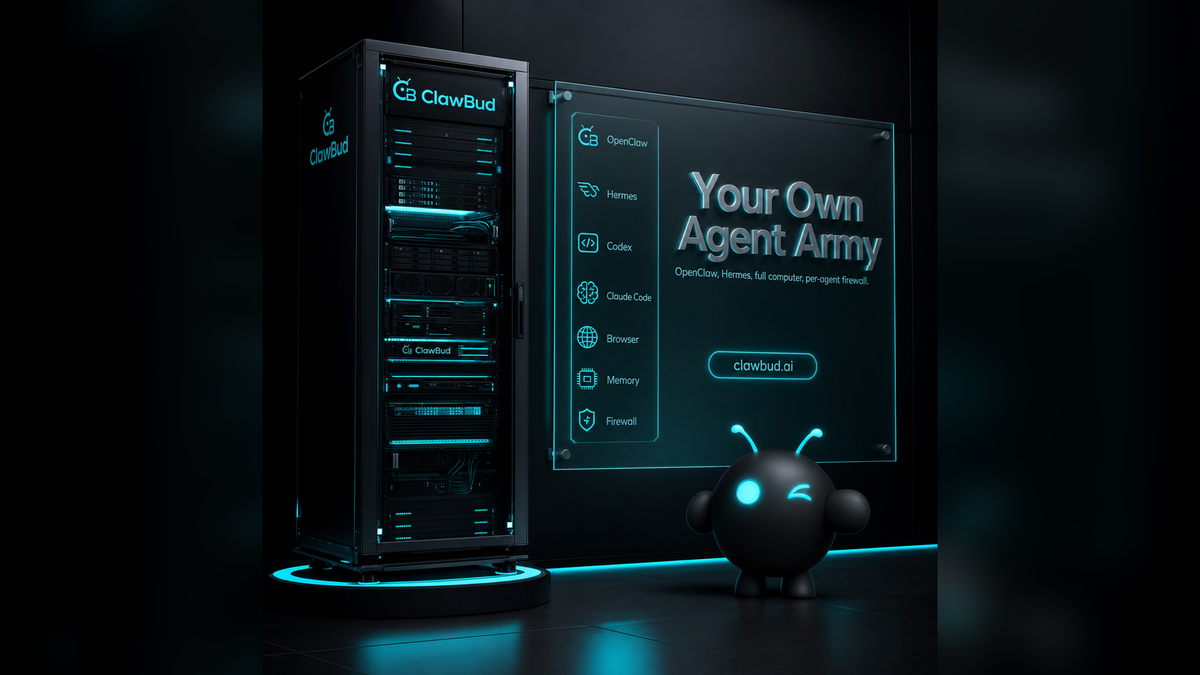
Not a chatbot. Not a shared container. A full computer, a real army of agents, and a per-agent firewall, all yours, deployed in one click.
The mistake: treating every agent like a code tool
A code agent is usually task-shaped. You ask it to fix a bug, write a test, refactor a file, or explain a stack trace. That is valuable, but it is narrow.
Autonomous agents are workflow-shaped. They can own recurring work, watch channels, use integrations, browse sites, call tools, read memory, and coordinate with other agents. The job is no longer only “change this file.” The job becomes “run this part of the business with me supervising.”
That is why ClawBud does not position itself as another code assistant. ClawBud is your own cloud-native agent army: a fully managed Agentic OS running on your own private cloud computer, with OpenClaw and Hermes as core pillars.
OpenClaw is the runtime that gives agents tools, memory, channels, and execution. Hermes adds orchestration and managed agent flows. Codex and Claude Code sit inside the army as specialist code operators, not as the whole product.
OpenClaw is the runtime. Hermes is the orchestrator. Code CLIs are specialists.
Here is the clean way to think about the stack. OpenClaw is the core agent runtime inside the Agentic OS. Hermes coordinates routines, teams, and managed flows. Codex and Claude Code are coding specialists. Space Agent is the browser-first operator for tasks that need eyes.
A business does not need to pick only one. That is the old way of thinking.
The better question is: which agent should own which kind of work?
OpenClaw can be the general operator. Hermes can coordinate recurring work. Codex can handle focused code patches. Claude Code can dig through complex repositories. Space Agent can work visually in a browser. Skills and MCP extend what the army can do.
The point is not to collect logos. The point is to give each worker the right environment.
Why a full computer beats a shared container
Shared containers are fine for demos. They are less convincing when agents start doing real work.
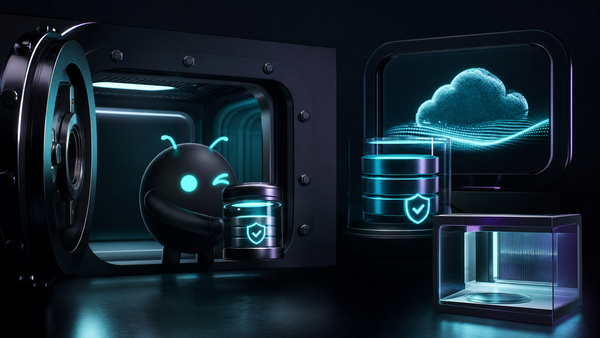
A serious agent needs durable space. It needs files that persist, browser sessions that make sense, logs you can inspect, and channels that keep working after the tab closes. It also needs clear security boundaries, because an agent with tools is not the same risk profile as a chatbot that only answers text.
ClawBud gives each customer a private cloud computer rather than tossing agents into a shared pool. That private computer becomes the home base for the agent army. It is where OpenClaw runs, where browser access lives, where skills are installed, where integrations connect, and where the work keeps its shape.
See ClawBud pricing for the current BYOK, Starter, Pro, and Business plans.
If you are running a business workflow, the infrastructure is not background trivia. It is the product.
The per-agent firewall is not a marketing detail
Agents need boundaries.
A browser agent, a code agent, a CRM agent, and a routine runner should not all have the same access shape. The more capable the agent, the more important the boundary becomes.
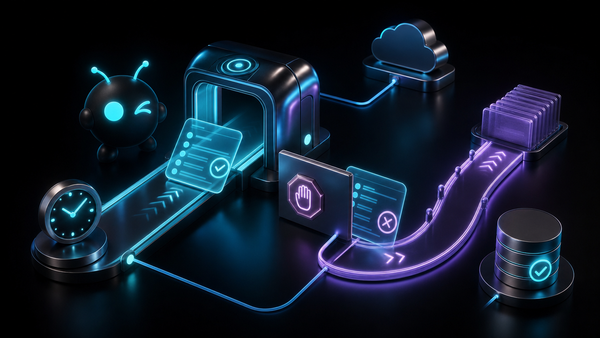
ClawBud uses per-agent firewall boundaries so agents can operate inside a controlled environment. That is different from dumping every task into one shared execution space and hoping policy prompts do the heavy lifting.
A dedicated firewall gives the system a harder edge. It supports the basic idea that every autonomous worker should have a defined workspace, defined access, and defined limits. When an agent can browse, call tools, connect channels, or touch business data, that edge matters.
This is one of the clearest reasons ClawBud is not just “OpenClaw hosting.” OpenClaw is a core runtime. ClawBud wraps it in a managed Agentic OS with a private cloud computer, one-click setup, browser access, integrations, skills, support, and firewall boundaries.
Browser, memory, and channels turn tools into workers
A coding CLI waits for a task.
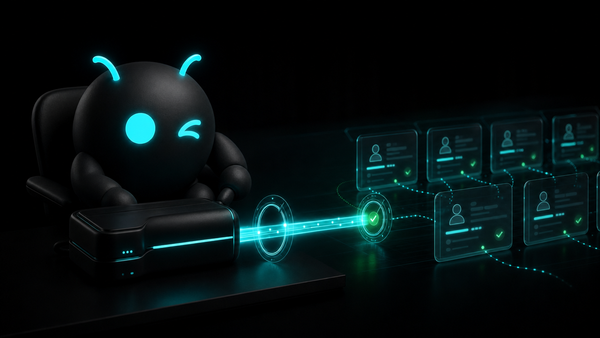
An autonomous agent can live closer to the flow of work. It can receive a Telegram message, read a file, open a page, compare data, remember context, and continue later without starting from zero every time.
That is where OpenClaw becomes interesting for businesses. The agent is no longer only producing text. It is operating across systems.
This is the difference between asking a chatbot for advice and assigning work to an operating system of agents.
One-click setup matters because nobody wants a DevOps project
A lot of agent infrastructure sounds exciting until the setup begins.
Install packages, wire model keys, configure channels, fix browser dependencies, patch configs, debug auth. Congratulations, you now own a tiny DevOps hobby.
That is not what most teams want.
ClawBud is built for the opposite experience: one-click setup for a private cloud computer with the agent army ready to run. They should be able to start with ClawBud, connect what they need, and put agents to work.
For the browser side, read Why Your OpenClaw Agent Needs a Browser, Memory, and a Wallet.
Managed does not mean less powerful. It means the hard parts are handled before they become your problem.
Bottom line
Code agents are not going away. They are too useful.
But code agents are not the whole agent era. The real shift is from single-purpose assistants to private, managed agent armies that can operate across tools, channels, memory, browser sessions, and business workflows.
That is the ClawBud bet.
OpenClaw gives the runtime. Hermes gives orchestration. Codex and Claude Code give coding power. Space Agent gives visual browser work. The private cloud computer gives the army a home. The dedicated firewall gives it boundaries. One-click setup makes it usable by people who have better things to do than babysit infrastructure.
Start with ClawBud at clawbud.ai and build your own cloud-native agent army.
FAQs
Is ClawBud just OpenClaw hosting?
No. OpenClaw is a core runtime inside ClawBud, but ClawBud is a full Agentic OS for an agent army. It includes a private cloud computer, Hermes, code agents, browser access, integrations, skills, CRM surfaces, support, and per-agent firewall boundaries.
How is OpenClaw different from Codex or Claude Code?
OpenClaw is built for autonomous agent work across tools, memory, channels, and browser access. Codex and Claude Code are specialist code agents that are best for engineering tasks. In ClawBud, they can live as specialists inside the wider army.
Why does ClawBud use a private cloud computer?
Agents need durable space, browser sessions, files, integrations, logs, and boundaries. A private cloud computer gives the agent army a real home instead of a temporary shared container.
What does the dedicated firewall do?
The dedicated firewall creates harder boundaries around agent activity. It helps keep autonomous workers inside defined access limits instead of relying only on prompts and shared execution spaces.
Can I start without managing infrastructure?
Yes. ClawBud is designed for one-click setup. You choose a plan, connect what you need, and get a managed OpenClaw-based agent army without building the environment yourself.
Which ClawBud plan should I choose?
BYOK is best if you want to bring your own model keys. Starter is the simple managed entry point. Pro adds stronger capacity, more channels, and advanced agents. Business is for heavier teams that need more room, credits, support, and operational depth.