Why Your OpenClaw Agent Needs a Browser, Memory, and a Wallet
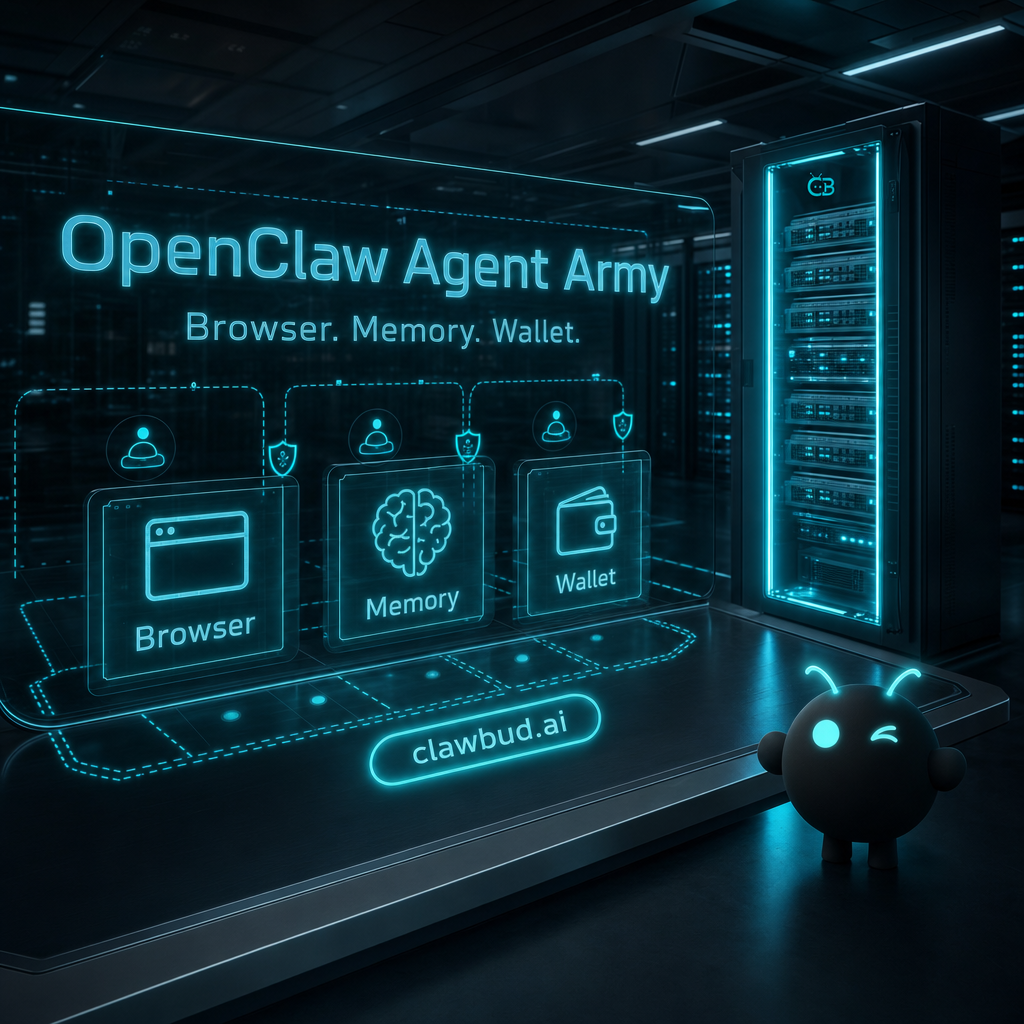
Most people still talk about AI agents like they are chat windows with better prompts. That misses the point.
A serious OpenClaw agent should not sit in a box and answer questions all day. It should research, open real tools, follow up, compare options, update work, remember context, and ask for approval when money or risk enters the room. That kind of work needs more than a model. It needs an operating environment.
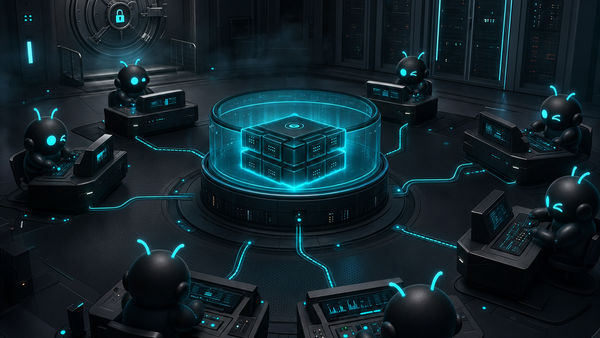
That is why ClawBud is built around a sharper idea: your own cloud-native agent army.
Not a chatbot. Not a shared container. A full computer, a real army of agents, and a per-agent firewall, all yours, deployed in one click.
The model is not the worker
A model can write, reason, plan, and call tools. Good. That is the brain.
But work happens in messy places: websites, dashboards, files, calendars, CRMs, inboxes, support threads, documents, payment flows, and business systems that were never designed for perfect APIs.
This is where code agents and autonomous agents split.
Code agents and CLIs like Claude Code, Codex, Gemini CLI, and OpenCode are excellent when the job is inside a codebase. They edit files, run tests, inspect errors, and help developers move faster. They belong in the army, but they are not the whole army.
Autonomous agents are different. OpenClaw, Hermes, Space Agent, Automaton, Nemo Claw, and workflow agents need to operate across the business. They need channels, browser access, memory, approvals, integrations, and boundaries. They need a place to live.
ClawBud gives them that place: a private cloud computer with OpenClaw and the wider agent fleet ready in clicks.
Browser access makes the agent useful on the real web
A lot of business work still happens through websites. There is no clean API for every vendor portal, analytics tool, admin panel, booking system, payment dashboard, or internal web app.
If your agent cannot use a browser, it is blind to a large part of the work.
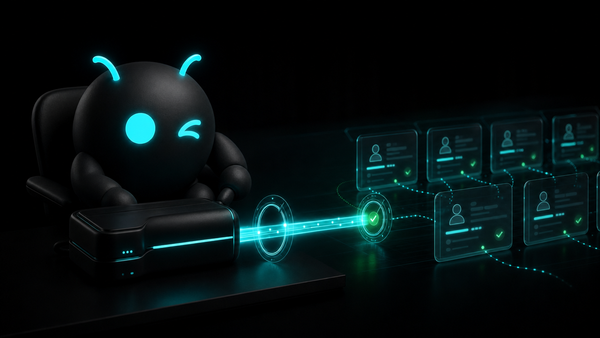
Browser access lets an OpenClaw agent open dashboards, read live state, compare information across tabs, fill forms, inspect results, and ask for approval before doing something risky.
This matters even more for Space Agent, where the agent gets its own browser workspace. The point is operational freedom. Your agent can use the same web surfaces your team uses, while you can watch and control what happens when needed.
A chat assistant can suggest what to click. An OpenClaw agent with browser access can navigate the work.
Memory turns one-off tasks into compounding work
An agent without memory is a contractor with amnesia.
It might do one task well, then forget the customer, the business rule, the prior mistake, the naming convention, the preferred tone, and the reason a certain tool should never be touched.
Memory is how an agent gets better inside your business.
In ClawBud, memory is part of the Agentic OS story. The agent army needs a knowledge layer that can carry context from one mission to the next. That can include wiki-style knowledge, imported history where enabled, operating rules, business notes, customer context, and decisions that should not be rediscovered every week.
For OpenClaw, this is not decoration. It changes the type of work you can safely delegate.
Without memory, you ask small isolated questions. With memory, you can ask the agent to continue from the last customer thread, use your current positioning, follow your process, update the CRM with context, and avoid mistakes you already documented.
That is what makes an agent army feel like a system instead of a pile of disconnected bots.
Wallets are powerful only when boundaries exist
The wallet piece is where people get excited too fast.
Yes, autonomous agents will eventually pay for things, reserve resources, unlock APIs, buy data, renew tools, and complete agent-to-agent transactions. x402 and wallet rails point toward that future.
But the important part is not that an agent can spend. The important part is that spending needs control.
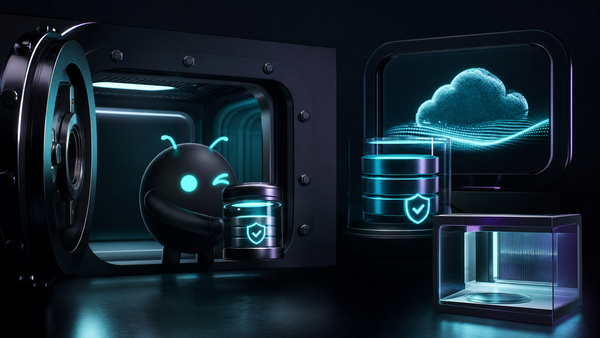
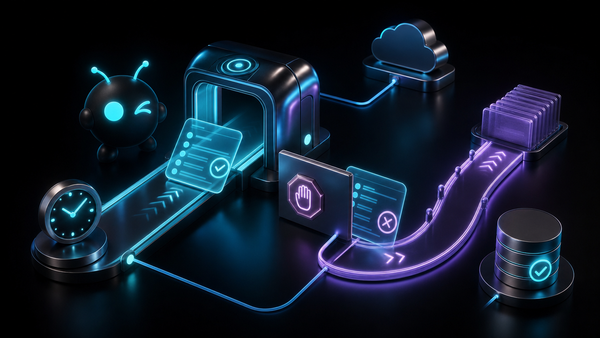
A wallet without boundaries is reckless. A wallet inside a managed agent environment can be useful, because it can sit behind rules, approvals, budgets, logs, and firewall boundaries.
That is the right mental model for ClawBud. The wallet is not a gimmick. It is one more capability inside a full computer built for autonomous work. Browser, memory, wallet, integrations, skills, MCP, CRM, Business Room, and OpenClaw belong in the same operating layer.
An agent that can browse but cannot remember is useful for errands. An agent that can remember but cannot act is useful for advice. An agent that can act with money but has no boundaries is dangerous.
The real product is the combination: capable agents, real tools, private infrastructure, and tight control.
Why a full computer beats a shared container
Shared containers are fine for lightweight demos. They are not the right home for serious agent work.
A business agent needs a persistent environment. It needs installed tools, browser state, channel connections, logs, files, memory, and predictable boundaries. It also needs separation from other customers.
ClawBud gives every customer a powerful private cloud computer instead of putting everyone into one shared runtime. That choice has a huge product effect.
It means your OpenClaw agent army has room to run. Code agents can work in their lane. Autonomous agents can use browsers and channels. Hermes can orchestrate. Skills and MCP can be installed. CRM and Business Room can become part of the operating flow. Support has a real environment to inspect when something breaks.
And because ClawBud adds a dedicated firewall boundary per agent, the system is not just private in the marketing sense. It has real network separation at the agent layer.
That is the difference between renting a crowded desk and getting your own mission-control room.
Start with one useful agent
The best way to understand this shift is not to build a giant master plan.
Start with one useful agent.
Give it a real job. Connect the channel it needs. Let it use a browser where needed. Feed it the context it should remember. Keep payment and risky actions behind approvals. Watch where it gets stuck. Then add the next agent.
That is how an agent army becomes practical.
ClawBud is built for that path: one-click setup, managed OpenClaw, your own private cloud computer, real browser access, per-agent firewall boundaries, integrations, skills, MCP, and a growing fleet of agents ready to work.
If you want an OpenClaw agent that can do more than chat, start with the environment.
Start with ClawBud.
Create your ClawBud agent army or compare plans on ClawBud pricing. You can also read more on the ClawBud blog.
FAQs
Is ClawBud just OpenClaw hosting?
No. OpenClaw is a core runtime inside ClawBud, but ClawBud is the Agentic OS around the whole army. It includes managed setup, a private cloud computer, Hermes, Space Agent, code agents, integrations, browser access, memory, firewall boundaries, and support.
Why does an OpenClaw agent need a browser?
Because many business systems still live behind web interfaces, not clean APIs. A browser lets an agent inspect dashboards, fill forms, compare live information, and complete work on the same surfaces a human team uses.
What is the difference between code agents and autonomous agents?
Code agents and CLIs are built for development work inside repositories and terminals. Autonomous agents are built for broader business work across channels, websites, CRMs, files, workflows, and approvals. A real agent army needs both.
What does per-agent firewall mean?
It means each agent can have its own network boundary instead of every tool sharing one loose environment. In ClawBud, dedicated firewall boundaries are part of the private computer model, which helps keep autonomous work controlled.
Can ClawBud agents spend money automatically?
Wallet and x402 rails are part of the future of autonomous work, but spending should never be treated casually. The useful version is controlled spending with approvals, logs, budgets, and boundaries.
Who should use ClawBud?
Use ClawBud if you want a managed OpenClaw agent army without becoming your own DevOps team. It fits teams that want autonomous agents with real tools, private infrastructure, and clear control.