Autonomous Agents vs Code Agents: Why Your OpenClaw Army Needs Both
A code agent can be brilliant and still be the wrong tool for running a business process.
Codex, Claude Code, Gemini CLI, and OpenCode are built for software work. They inspect files, edit code, run tests, explain errors, and help developers move faster. That is useful. It is also narrow.
An autonomous agent has a different job. It needs to watch events, remember context, use a browser, talk through channels, coordinate other agents, and take action without waiting for someone to paste the next prompt. That kind of work needs a real operating environment, not a tiny prompt box with a shell attached.
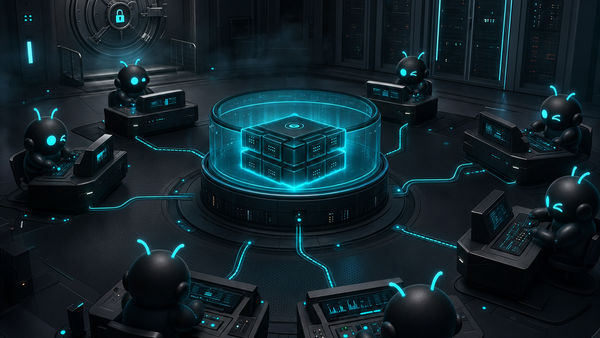
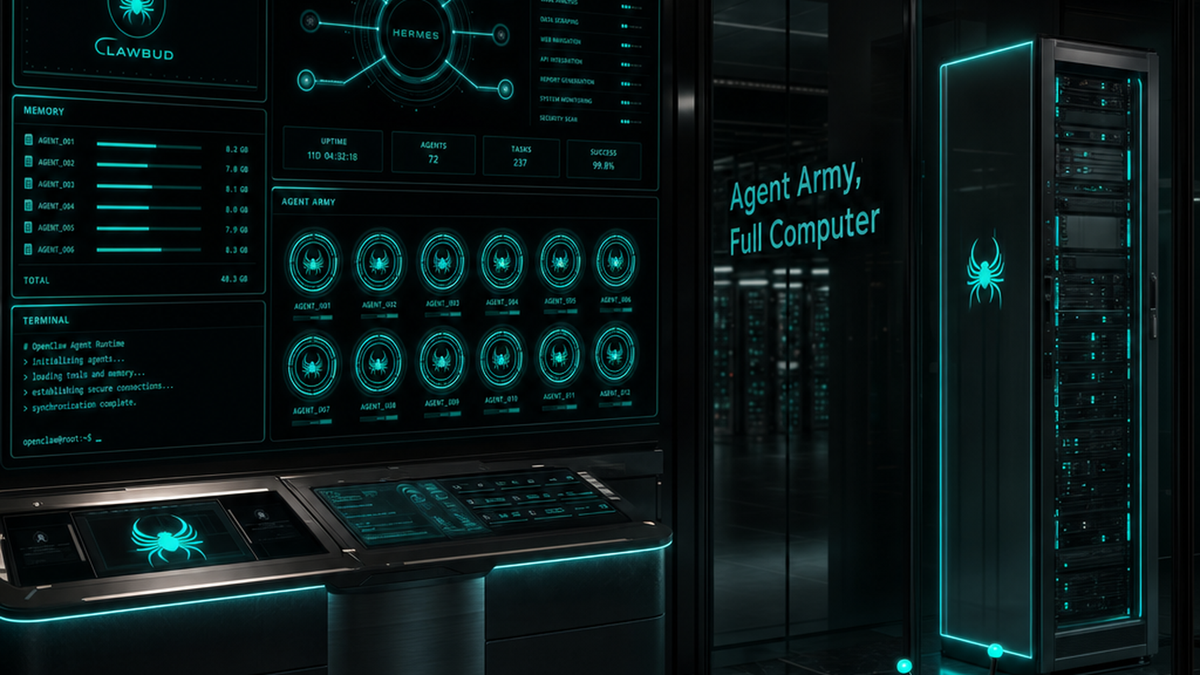
That is the shift ClawBud is built around: your own cloud-native agent army. Not a chatbot. Not a shared container. A full computer, a real army of agents, and a per-agent firewall, all yours, deployed in one click.
The mistake: treating every agent like a coding assistant
The AI world has trained people to think in one pattern: open a CLI, ask it to change something, approve the diff, repeat.
That pattern is great when the task is code. If you want a new API route, a failing test fixed, or a refactor across a repository, a code agent is exactly where you should start. ClawBud supports that with one-click installs for Claude Code, Codex, Gemini CLI, and OpenCode.
But most business work is not a pull request.
A support agent may need to read a customer message, check history, open a browser, look at an order, write a reply, and record the outcome. A growth agent may need to monitor Search Console, draft content, update a CRM, and report what changed. An ops agent may need to watch a dashboard, compare logs, trigger a workflow, and escalate only when needed.
Those jobs are not just code. They are ongoing work.
Code agents are sharp tools, not an operating model
A code agent is strongest when the world is mostly files and commands. It can reason inside a repository. It can run a test suite. It can explain why a build fails.
That does not automatically make it an autonomous worker.
Autonomous work needs more than a CLI:
- A browser for real websites and dashboards
- Memory that survives one session
- Channels like Telegram, WhatsApp, Discord, Slack, Gmail, and Calendar
- Skills and MCP connections for repeatable actions
- A place to run safely for hours, days, and weeks
- Boundaries so one agent cannot wander into everything
This is where OpenClaw matters. OpenClaw gives agents a real runtime for tools, sessions, skills, browser control, memory, files, and integrations. ClawBud packages that runtime into a managed product so the user does not need to become a server admin before getting value.
Autonomous agents need a full computer
Shared containers sound efficient until your agent needs to behave like a real worker.
A serious OpenClaw agent needs room. It may run browser sessions, keep working files, manage integrations, store memory, call external tools, and coordinate with other agents. Put that inside a cramped shared environment and you get the same failure pattern: limits, missing tools, weak isolation, and support answers that blame the user.
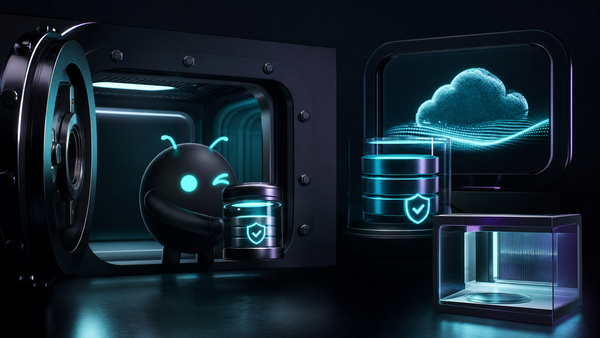
ClawBud takes the opposite route. Each paying customer gets a private cloud computer. The agent army has its own environment, its own browser surface, its own integrations, and its own operating space.
On ClawBud, an OpenClaw agent can be watched and controlled through the dashboard, including browser work. It can use installed skills. It can connect to business channels. It can work with the CRM and Business Room where enabled. It can run next to code agents instead of pretending every task is code.
If you want an agent army, the environment is part of the product.
Why the dedicated firewall matters
Autonomy without boundaries is reckless.
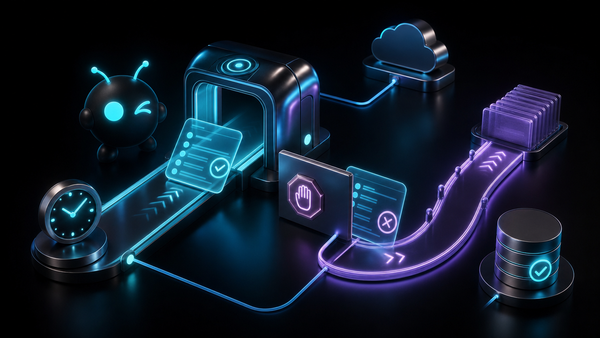
An autonomous agent can touch more surfaces: browser, channels, files, APIs, scheduled jobs, and connected business tools. That power needs real boundaries.
ClawBud gives every OpenClaw agent a dedicated firewall. Not a vague policy promise. A real per-agent firewall boundary that separates the agent environment and limits exposure. It is one of the reasons ClawBud is not just another hosted agent wrapper.
Infrastructure is not boring when the worker is autonomous.
The right split: CLIs for building, autonomous agents for running
The best setup is not code agents versus autonomous agents. It is both, with clear jobs.
Use code agents when you need to build or change software:
- Codex for OpenAI-powered coding workflows
- Claude Code for deep repository work
- Gemini CLI for Google model workflows
- OpenCode for terminal-first engineering tasks
Use autonomous OpenClaw agents when you need ongoing execution:
- Monitoring and reporting
- Customer support workflows
- Browser-based operations
- CRM updates and task follow-up
- Content and research routines
- Multi-agent coordination through Hermes and related tools
Hermes is especially useful when the job needs orchestration. OpenClaw is the base runtime. Codex and other CLIs are specialist code tools. They are not interchangeable, and pretending they are makes the product weaker.
A real agent army needs specialists.
What ClawBud deploys in one click
ClawBud is designed for people who want agents working, not another weekend project.
You start at clawbud.ai and get a managed OpenClaw environment on your own private cloud computer. Depending on the plan, you can bring your own keys with BYOK, use included model credits on Starter, step up to Pro for more models and channels, or use Business for a larger dedicated computer and priority support.
The important part is the shape of the product:
- One-click setup
- Managed OpenClaw
- Private cloud computer
- Dedicated firewall
- Dedicated Chromium browser
- Code agents and autonomous agents side by side
- Channels and integrations that turn the agent into a worker, not just a chat window
Read more on the ClawBud homepage, check pricing, or browse the blog.
Who should care about this split
If you are a developer, this split stops you from using an autonomous worker as fancy autocomplete. If you are an operator, it stops you from buying a coding assistant and expecting it to run customer workflows. If you are a founder, it gives you a cleaner hiring model: code agents build the machine, autonomous agents run the machine.
That is the real promise of ClawBud. Not another chatbot. Your own cloud-native agent army, running on a full computer, with OpenClaw at the center and a dedicated firewall around each agent.
FAQ
Is ClawBud only for developers?
No. Developers get value from one-click code agents like Codex, Claude Code, Gemini CLI, and OpenCode, but ClawBud is built for broader autonomous work too. The point is to run an OpenClaw agent army that can use browser, memory, channels, skills, and integrations.
How is an autonomous OpenClaw agent different from a code agent?
A code agent mainly works with repositories, files, commands, and tests. An autonomous OpenClaw agent can run ongoing business work across tools, browser sessions, memory, channels, and scheduled tasks.
Why does ClawBud use a full private computer?
Because serious agents need a real operating environment. A full private computer gives the OpenClaw agent room for browser work, memory, tools, integrations, files, and long-running tasks without relying on a cramped shared container.
What does the dedicated firewall do?
It gives each OpenClaw agent its own network boundary. That matters when agents can use browsers, channels, APIs, and business tools. Autonomy needs limits, not just trust.
Can I use Codex and OpenClaw together?
Yes. That is the point. Codex is excellent for coding tasks, while OpenClaw is the runtime for autonomous work. ClawBud lets code agents and autonomous agents live side by side inside your agent army.
How fast can I start?
ClawBud is built for one-click setup. Start at clawbud.ai and choose the plan that fits your model and channel needs.
Start with ClawBud
If you want a coding assistant, use a code agent.
If you want a real agent army, give it a real place to run.
Start with ClawBud at clawbud.ai.